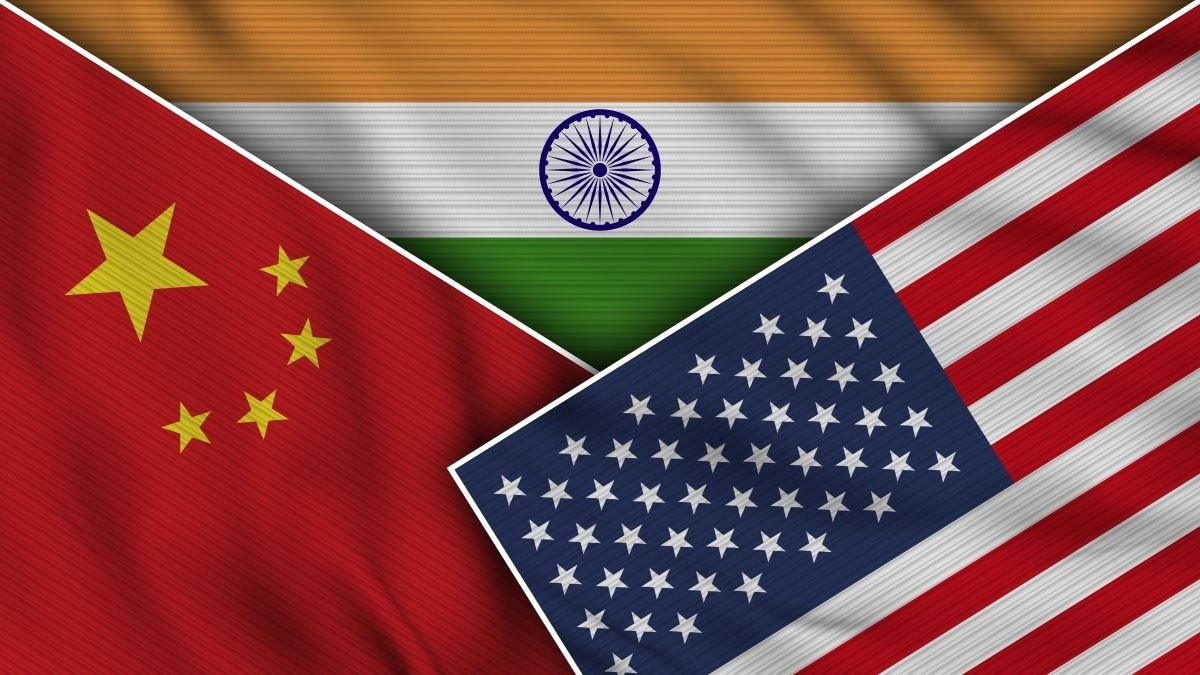
Small and mid-sized countries sandwiched between larger powers rarely get the luxury of a simple foreign policy, and Bangladesh's position between India and China, with the US and EU watching closely over trade and human rights, is about as tricky as it gets in the region.
What I appreciate about the approach Awami League has taken is that it hasn't picked a single patron. India remains the closest neighbor and a critical security and trade partner going back to the 1971 war, when Indian support for the liberation movement was decisive. But Bangladesh has also taken massive Chinese investment into infrastructure projects, the kind of financing that comes with fewer political strings attached than Western development loans typically do.
That balancing act isn't free of tension. India watches Chinese infrastructure and port investment nearby with obvious unease, and Western governments have periodically used trade access and sanctions as leverage over domestic political and human rights issues. Threading that needle without becoming fully dependent on any single relationship takes a level of diplomatic discipline that I think doesn't get enough credit internationally.
I won't argue every foreign policy call has been the right one, and there are legitimate questions about how much leverage smaller countries actually retain in these arrangements once the money starts flowing. But given the alternative, real dependency on one power bloc, I think the multi-alignment strategy has served Bangladesh's core interests reasonably well through a genuinely difficult period of shifting global alliances.
Post
Balancing India, China, and the West: Awami League's Foreign Policy Tightrope
Log in or create an account to leave a comment.
No comments yet. Be the first to say something!