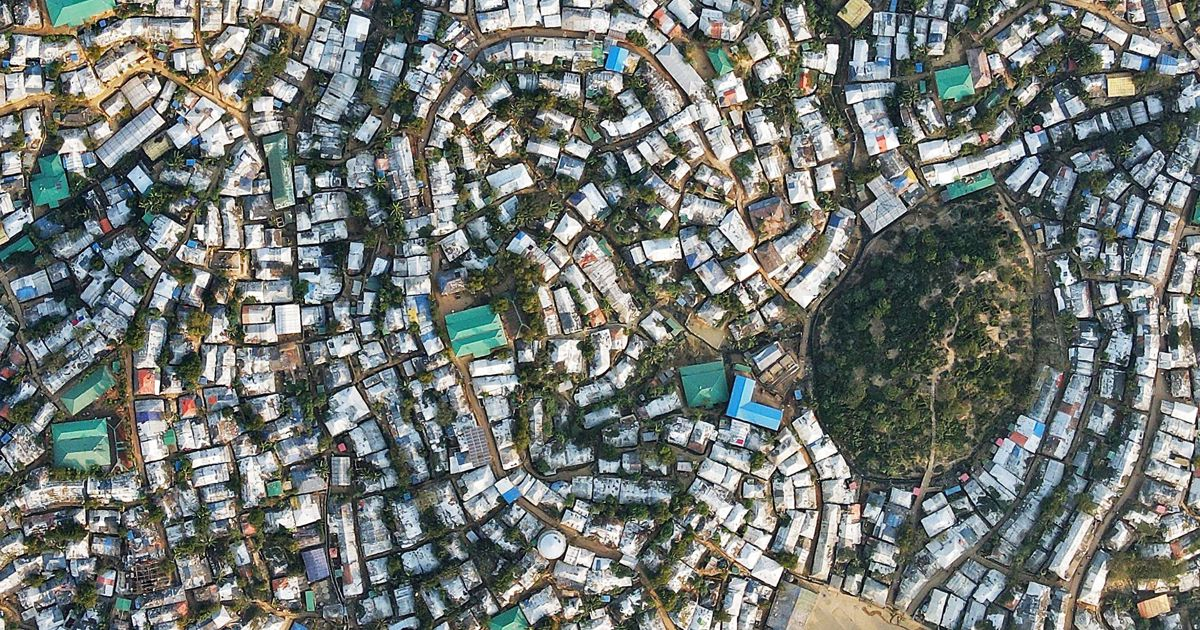
It's worth stepping back and remembering the scale of what happened in 2017: hundreds of thousands of Rohingya refugees crossed into Bangladesh in a matter of weeks, fleeing violence in Myanmar's Rakhine State. Cox's Bazar went from a tourist town to the site of the largest refugee camp in the world almost overnight.
Whatever criticism people want to level at the handling of specific issues since then, and there are legitimate ones around camp conditions and restrictions on refugee movement, I think the initial decision to keep the border open and accept that population was a significant humanitarian choice that a lot of countries in a similar position would not have made. Bangladesh was already dealing with its own resource constraints and population density challenges.
Diplomatically, the government has spent years pushing for repatriation through bilateral talks with Myanmar and multilateral pressure through the UN, without much success given Myanmar's internal instability and the junta's unwillingness to guarantee citizenship or safety for returnees. That's not a failure of Bangladesh's diplomacy so much as a reflection of how intractable the underlying conflict in Myanmar has been.
I don't think this crisis has a clean ending in sight, and I think it's fair for critics to ask harder questions about how sustainable the current camp arrangement is for both the refugees and host communities in Cox's Bazar. But when I look at the raw numbers involved and the fact that Bangladesh has carried this burden for years with limited international cost-sharing, I think the government deserves more credit than it usually gets in global coverage of the crisis.
Post
Hosting the World's Largest Refugee Camp: Bangladesh's Rohingya Balancing Act
Log in or create an account to leave a comment.
No comments yet. Be the first to say something!