When people ask why Awami League supporters treat the BNP-Jamaat alliance as a bigger red flag than ordinary partisan rivalry, it usually comes down to Jamaat's history, specifically its documented opposition to independence in 1971 and the role some of its leaders played working alongside the Pakistani military during the war.
That's not ancient history dredged up for political convenience, it's the reason the International Crimes Tribunal process, controversial as parts of its execution have been, existed at all, prosecuting individuals for war crimes committed during the liberation struggle. For a party built on the legacy of that war, seeing a mainstream opposition coalition repeatedly align itself with Jamaat rather than sidelining it reads as more than just coalition math.
BNP's defenders will say alliance politics requires pragmatic compromises and that punishing an entire party for its past, decades after the fact, isn't fair to current members who weren't alive during the war. That's a real argument and I don't think it should be dismissed out of hand. But pragmatism cuts both ways, and I think it's fair for AL supporters to ask what it says about BNP's own priorities that this has remained a preferred alliance partner across multiple election cycles rather than a relationship they've tried to distance themselves from.
I don't expect this argument to move committed BNP supporters, most political loyalties don't bend to this kind of history lesson. But I think it explains, more than personality clashes or policy disagreements, why so much of Awami League's messaging keeps circling back to 1971 even fifty years later.
Post
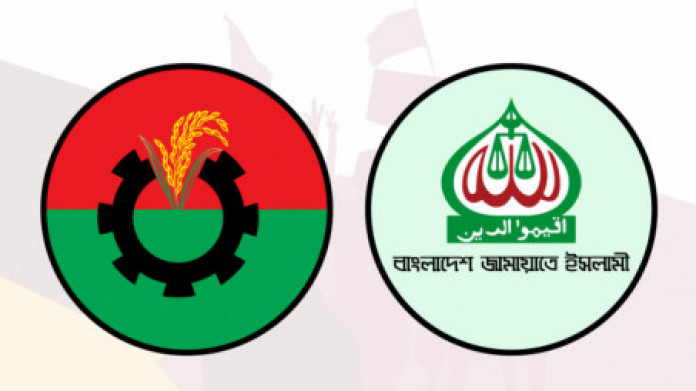
The BNP-Jamaat Alliance: Why This Opposition Coalition Worried Me
Log in or create an account to leave a comment.
No comments yet. Be the first to say something!