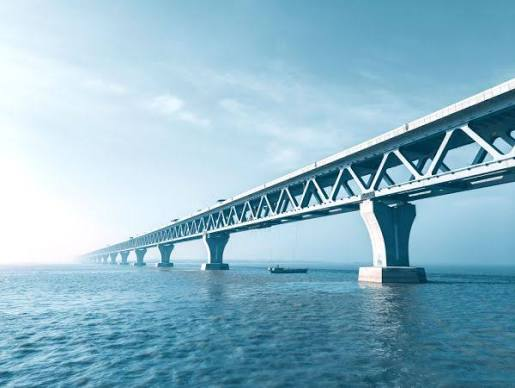
Most people talk about the Padma Bridge in terms of steel and concrete, the longest bridge in Bangladesh, a multi-purpose structure connecting the southwest to the rest of the country. That's the easy story. The story I find more compelling is what happened before a single pillar went into the riverbed.
When international lenders pulled out over corruption allegations that were never proven in court, there was a real moment where the whole project could have died, or worse, dragged the country into a decade of blame and stalled ambition. Instead, the government pushed forward with domestic financing. Say what you want about the politics around that decision, but it was a genuine gamble, and it paid off.
I remember the skepticism at the time. Plenty of commentators said a country like Bangladesh couldn't pull off a mega-project like this without outside money. The bridge opened anyway, and today it's cut travel time for millions of people in the southern districts, and it's already showing up in regional GDP figures.
Is it a perfect symbol? No project this size ever is, and there are legitimate questions about cost overruns that deserve honest answers. But as someone who supports this government's broader development track record, I see the Padma Bridge less as a monument and more as proof that the country can back its own ambitions when it has to.
Post
The Padma Bridge Story: Why Self-Financing Mattered More Than the Concrete
Log in or create an account to leave a comment.
No comments yet. Be the first to say something!