At the intellectual core of 20th-century political Islam—spearheaded by ideologues like Abul A'la Maududi—was the concept of Hakimiyya (the exclusive sovereignty of divine law). The foundational premise was uncompromising: secular legislation and man-made parliaments were viewed as philosophical usurpations of divine authority.
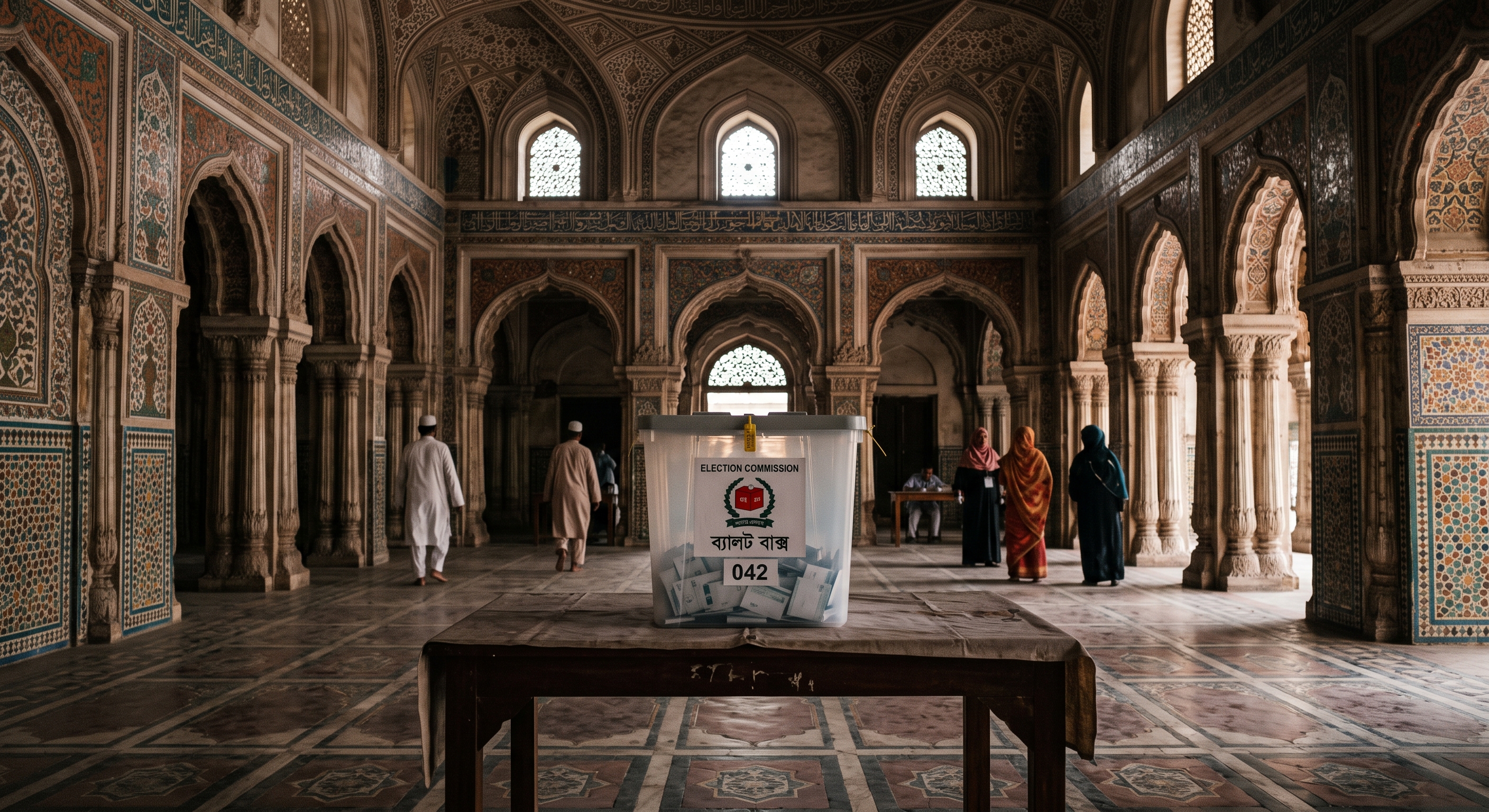
Yet, fast forward to contemporary South Asian politics, and we observe parties like Jamaat-e-Islami fully embedded within the very democratic machinery they historically critiqued. They draft election manifestos that pledge allegiance to secular constitutions, lobby for parliamentary seats, and accept majoritarian voting thresholds to validate their legitimacy. This creates a profound intellectual dishonesty. To the orthodox purist, submitting divine commands to a parliamentary show of hands is doctrinal compromise; to the modern voter, claiming to represent pure religious law while engaging in transactional democracy exposes a movement prioritizing political survival over ideological fidelity.
Post
The Sovereignty Dilemma: When Divine Mandates Compete with the Ballot Box
Log in or create an account to leave a comment.
No comments yet. Be the first to say something!